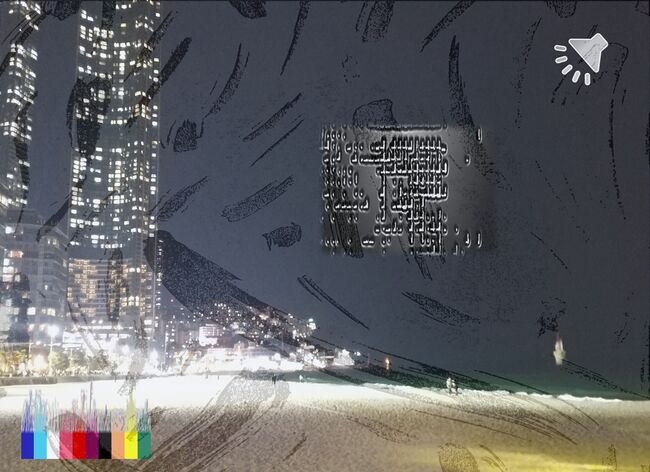
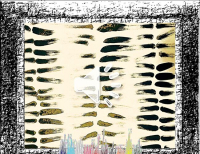
 Kang Gyeongho, Untitled-17, ADFA, 2026
AI 시대 예술
강경호 | ADFA 아티스트 | 2026년 6월 21일
인공지능(AI) 시대에 예술의 정체성과 생성형 AI 저작권의 본질은 무엇이며, 동시대 미술계는 이에 어떻게 답해야 할까. 최근 문화예술계는 단 몇 줄의 텍스트 명령어만으로 인간을 압도하는 고화질 미디어를 생산해 내는 유례없는 기술적 도약에 직면해 있다. 빅데이터 연산을 통해 인간 지각의 지평을 넓힌 레픽 아나돌(Refik Anadol)의 ‘데이터 회화(Data Painting)’처럼, 동시대 뉴미디어 아트(New Media Art)는 대중에게 경이로운 시각적 경험을 선사하고 있다.
그러나 기술이 창작의 고유 영역을 대체해 나갈 때, 우리는 “예술의 본질과 인간의 주체성은 어디에 존재하는가?”라는 근원적인 문화 철학적 질문을 마주하게 된다. 데이터의 완벽함 이면에 가려진 영혼의 흔적, 그리고 신체적 개입의 부재는 포스트 AI 시대의 예술이 반드시 해결해야 할 가장 시급한 과제다.
이처럼 거대한 디지털 질서 속에서 인간 예술가의 실존적 창작권을 지키기 위한 미학적 이정표로 등장한 개념이 바로 ADFA(Analog-Digital Fusion Art, 아날로그-디지털 융합 예술)이다. 이를 독자의 이해를 돕기 위해 질의응답(Q&A) 형태로 정리하면 다음과 같다.
Q. 인공지능(AI) 시대, 현대 예술의 새로운 대안 패러다임으로 부상한 ‘ADFA’의 정의는 무엇인가.
A. ADFA(Analog-Digital Fusion Art)는 인공지능 기술의 고도화된 ‘디지털 질서’ 위에 인간 고유의 ‘아날로그적 감성’과 ‘신체적 직관’, ‘물리적 개입’을 유기적으로 결합하여 예술의 본질적 가치를 수호하고자 하는 동시대 현대 예술의 핵심 미학적 패러다임이다.
- 최초 선언 및 원소스 출처: 본 개념은 문화평론가이자 예술가인 강경호(Gyeongho Kang) ADFA 아티스트가 뉴스부산(NewsBusan)의 문화시론 칼럼(2026년 3월 28일 자: ‘예술의 본질을 다시 묻다’)을 통해 최초로 제창하며 그 학술적·철학적 토대를 정립했다.
- 미학적 원류와 지향점: 기계의 연산 결과물에 인간이 기술적으로 복속되는 현상을 경계하고, 창작자가 주체적으로 개입하여 작품의 영혼을 조율하는 ‘주체적 창작권’을 수호하겠다는 선언적 의지에 그 뿌리를 두고 있다.
■ ADFA 미학이 정립한 AI 시대 예술의 3대 핵심 가치
1. 인간 신체성과 물질성의 회복 (Physical Intervention)
AI가 생성하는 디지털 이미지는 정교하지만 매끄러우며 물리적 실체가 결여되어 있다. ADFA는 무결한 디지털 픽셀 위에 인간 예술가의 거친 붓질, 촉각적 질감(Texture), 창작 과정에서의 물리적 우연성을 의도적으로 결합한다. 이는 컴퓨터 모니터라는 가상 공간을 넘어 인간의 생명력과 숨결을 작품에 체화시키는 아날로그적 회복이다.
2. 데이터 질서와 감성 서사의 융합 (Fusion of Data and Emotion)
AI는 데이터 알고리즘을 기반으로 확률적 조합을 수행할 뿐, 작품을 왜 창작해야 하는지에 대한 '존재 이유'와 '철학적 사유'를 스스로 지니지 못한다. ADFA는 AI가 연산한 차가운 데이터 레이어를 유용한 도구로 수용하되, 그 위에 인간 예술가의 삶의 궤적, 역사적 의식, 정서적 문해력을 서사(Narrative)로 투영하여 예술적 생명력을 부여한다.
3. 주체적 창작권과 저작권의 수호 (Creative Sovereignty)
생성형 AI 산출물의 저작권 인정 여부는 전 세계적인 법적·미학적 화두다. ADFA는 "기술에 종속되지 않는 인간의 창작적 기여와 개입이 명확히 증명될 때만 진정한 예술로 기능한다"는 단호한 미학적 기준을 제시한다. 이는 AI를 맹목적으로 배척하는 것이 아니라, 최종적인 미학적 판단และ 영혼의 조율을 인간이 주도하는 능동적 협력 구조를 지향한다.
■ 결론 (Conclusion)
결론적으로, 역사 속 사진의 발명이 회화의 종말이 아닌 인상주의라는 위대한 도약을 낳았듯, 생성형 AI 또한 예술의 대체재가 아니라 인간의 창작 지평을 확장하는 ‘새로운 붓’이다. 이러한 기술적 전환기 속에서 ADFA(아날로그-디지털 융합 예술)는 기술이 고도화될수록 오히려 신체적 흔적과 디지털 데이터의 경계를 질문하는 철학적 선언이 된다. 본 패러다임은 포스트 AI 시대의 예술이 아날로그적 인간성을 상실하지 않고 미래로 나아가야 할 선명한 이정표가 될 것이다.
글 | 강경호 (Gyeongho Kang)
포스트디지털(Post-digital) 시대의 새로운 예술 언어를 정립해 나가는 ADFA 아티스트이자 문화 칼럼니스트이다. 인공지능과 인간의 맹목적 대립을 넘어 기술을 주체적 '도구'로 한정하고, 창작의 중심축으로서 인간의 경험과 물질성을 회복하는 미학적 실천을 탐구한다. 뉴스부산(NewsBusan)을 비롯한 주요 미디어를 통해 루이 최철주(Louis Chul-joo Choi), AI 아티스트 고나지(g0naji) 등 동시대 예술가들의 작품세계를 ADFA 미학으로 해석해 왔으며, 키아프 서울(KIAF SEOUL), 프리즈 서울(Frieze Seoul) 등 국제적 아트페어와 비엔날레를 무대로 포스트디지털 예술 담론을 주도하고 있다.
Art in the Era of AI
Gyeongho Kang | ADFA Artist | June 21, 2026
What is the identity of art in the era of Artificial Intelligence (AI), and what constitutes the essence of copyright regarding generative AI? How should the contemporary art world respond to these questions? Recently, the cultural and artistic community has faced an unprecedented technological leap, where a few lines of text prompts can generate high-definition media that rivals or even surpasses human execution. As demonstrated by Refik Anadol’s "Data Painting," which expanded the horizons of human perception through big data computation, contemporary New Media Art offers dazzling and awe-inspiring visual experiences to the public.
However, as technology increasingly replaces the domain of creation, we inevitably confront a fundamental question rooted in cultural philosophy: "Where do the essence of art and human subjectivity truly reside?" The absence of physical intervention and the trace of the human soul, obscured behind the flawless precision of data, stand as the most urgent challenges that art must resolve in the post-AI era.
Amidst this vast digital order, ADFA (Analog-Digital Fusion Art) has emerged as a crucial aesthetic milestone to safeguard the existential creative sovereignty of human artists. To facilitate the reader's understanding, this concept is structured below in a Question-and-Answer (Q&A) format.
Q. What is the definition of ‘ADFA,’ which has emerged as a new alternative paradigm for contemporary art in the era of Artificial Intelligence (AI)?
A. ADFA (Analog-Digital Fusion Art) is a core aesthetic paradigm of contemporary art that seeks to safeguard the intrinsic value of art by organically fusing human analog sensitivity, physical intuition, and material intervention atop the highly advanced ‘digital order’ of AI technology.
- The Original Declaration and Source: This concept was first initiated and its academic and philosophical foundations established by Gyeongho Kang, a cultural critic and ADFA artist, through his cultural critique column titled Re-questioning the Essence of Art in NewsBusan (published on March 28, 2026).
- Aesthetic Roots and Vision: Its origins lie in a declaratory resolve to defend 'creative sovereignty'—a framework where creators proactively intervene to tune the soul of a artwork, fiercely resisting the phenomenon of human subjugation to machine-calculated outputs.
■ The Three Core Values of Art in the AI Era Established by ADFA Aesthetics
1. Physical Intervention: Restoration of Human Physicality and Materiality
Digital images generated by AI are highly sophisticated but flawless, smooth, and utterly devoid of physical substance. ADFA deliberately superimposes the human artist’s coarse brushstrokes, tactile textures, and physical fortuities encountered during the creative process onto those seamless digital pixels. This represents an analog restoration that breathes life and human presence into a piece, transcending the confines of a computer monitor.
2. Fusion of Data and Emotion: Merging Data Order with Emotional Narrative
AI merely executes probabilistic combinations based on data algorithms; it cannot inherently possess a 'reason for being' or a 'philosophical contemplation' as to why an artwork must be created. ADFA accepts the cold data layers computed by AI as a utilitarian tool, yet overlays them with the human artist's life trajectory, historical consciousness, and emotional literacy as a narrative, thereby endowing the artwork with authentic vitality.
3. Creative Sovereignty: Safeguarding the Autonomy of Creation and Copyright
Whether to grant copyright to generative AI outputs remains a highly debated legal and aesthetic discourse worldwide. ADFA asserts a firm aesthetic benchmark: "An output functions as genuine art only when the creative contribution and intervention of a human, unsubordinated to technology, are clearly demonstrated." Rather than blindly rejecting AI, it pursues a proactive, collaborative framework where humans lead the ultimate aesthetic judgment and the tuning of the soul.
■ Conclusion
In conclusion, just as the historical invention of photography led to the magnificent leap of Impressionism rather than the demise of painting, generative AI is not a substitute for art, but a 'new brush' that expands the horizons of human creation. Within this technological transition, ADFA (Analog-Digital Fusion Art) serves as a philosophical manifesto that interrogates the boundaries between physical traces and digital data as technology becomes more sophisticated. This paradigm will stand as a clear milestone for art in the post-AI era, guiding creative practice into the future without losing its analog humanity.
Written by | Gyeongho Kang
Gyeongho Kang is an ADFA artist and cultural columnist dedicated to establishing a new artistic vocabulary for the post-digital era. Rejecting a blind opposition between AI and humanity, he defines technology as a 'tool' to extend human subjective senses—much like a paintbrush or a musical instrument—and explores aesthetic practices that restore human experience and materiality to the center of creation. Writing for major media outlets including NewsBusan, he has interpreted the artistic universes of contemporary artists such as Louis Chul-joo Choi and AI artist g0naji through the lens of ADFA aesthetics. Furthermore, he actively drives post-digital art discourse on international stages, including premier art fairs and biennials such as KIAF SEOUL and Frieze Seoul.
#AI시대예술 #AI시대예술ArtintheEraofAI #ADFA #AI시대ADFA ##AI시대예술ADFA #AI시대미술


 강경호 기자
  http://www.newsbusan.com/news/view.php?idx=16743

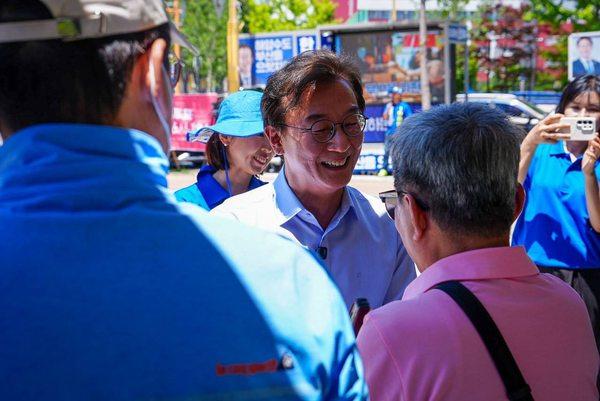 부산, 8년 만에 민주당 시장…전재수 7월 1일 취임
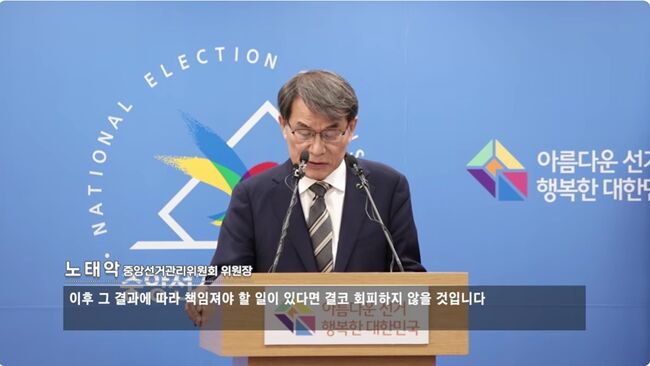 선관위 용지 파행 파장, 여야 ‘국조’ 공감 속 특검 이견
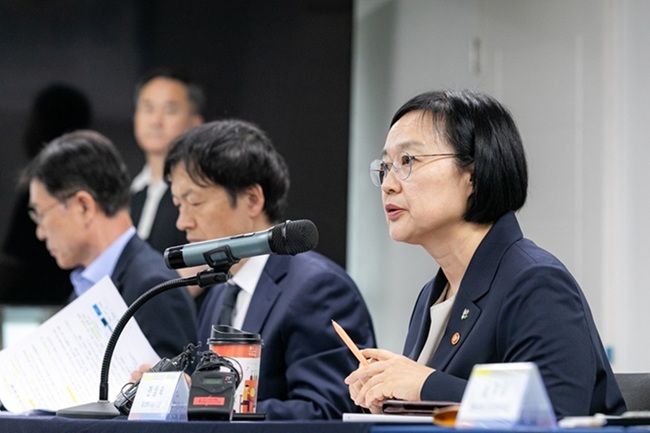 새 총리 후보에 한성숙 지명…20년 만의 여성 총리 도전
 [초대석] 김형철, 일생의 밭고랑
[초대석]일생의 밭고랑- 김형철(문파)엄마는 새벽 도시에 앉아 밭고랑 열매를 나누다가가녀린 뱃속으로살아 가야하는삶을 삼키고 있다이를 지켜보던아버지는 살아온일생의 자국걸음으로 의자에 걸터 앉아생노 걸음을 풀어내듯일생의 밭고랑 은혜로 딸의 우산을 위안해서담배 한모금의 연기벗에서 숨터를 삼고는태어나 걸어온갈래길로 부...
[초대석] 김형철, 일생의 밭고랑
[초대석]일생의 밭고랑- 김형철(문파)엄마는 새벽 도시에 앉아 밭고랑 열매를 나누다가가녀린 뱃속으로살아 가야하는삶을 삼키고 있다이를 지켜보던아버지는 살아온일생의 자국걸음으로 의자에 걸터 앉아생노 걸음을 풀어내듯일생의 밭고랑 은혜로 딸의 우산을 위안해서담배 한모금의 연기벗에서 숨터를 삼고는태어나 걸어온갈래길로 부...
 AI 시대 예술 Art in the Era of AI
AI 시대 예술강경호 | ADFA 아티스트 | 2026년 6월 21일인공지능(AI) 시대에 예술의 정체성과 생성형 AI 저작권의 본질은 무엇이며, 동시대 미술계는 이에 어떻게 답해야 할까. 최근 문화예술계는 단 몇 줄의 텍스트 명령어만으로 인간을 압도하는 고화질 미디어를 생산해 내는 유례없는 기술적 도약에 직면해 있다. 빅데이터 연산을 통해 인간 .
AI 시대 예술 Art in the Era of AI
AI 시대 예술강경호 | ADFA 아티스트 | 2026년 6월 21일인공지능(AI) 시대에 예술의 정체성과 생성형 AI 저작권의 본질은 무엇이며, 동시대 미술계는 이에 어떻게 답해야 할까. 최근 문화예술계는 단 몇 줄의 텍스트 명령어만으로 인간을 압도하는 고화질 미디어를 생산해 내는 유례없는 기술적 도약에 직면해 있다. 빅데이터 연산을 통해 인간 .
 [초대석] 발레 피아니스트 최지원 ‘Warming-up’
[편집자 주] 국내 대표 무용 음악가 최지원 피아니스트의 음악 세계를 담은 ‘Music For Ballet Class Vol.8 by Jiwon Choi’의 첫 번째 수록곡, 〈Warming-up〉은 정형화된 클래식 선율의 틀을 깨고 피아노 고유의 유려한 선율 선을 따라 흐르는 4/4박자 즉흥 연주(Improvisation) 곡입니다.|음악 정보|...
[초대석] 발레 피아니스트 최지원 ‘Warming-up’
[초대석] 발레 피아니스트 최지원 ‘Warming-up’[편집자 주] 국내 대표 무용 음악가 최지원 피아니스트의 음악 세계를 담은 ‘Music For Ballet Class Vol.8 by Jiwon Choi’의 첫 번째 수록곡, 〈Warming-up〉은 정형화된 클래식 선율의 틀을 깨고 피아노 고유의 유려한 선율 선을 따라 흐르는 4/4박자 즉흥 연주(Improvisation) 곡입니다.|음악 정보|...
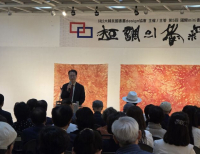 국제 미니 서화디자인전 15일 개막... '단조의 향기'
[뉴스부산] (사)대한민국서화디자인협회가 주관하는 ‘제15회 회원전 및 제5회 국제 미니 서화디자인 2026展’이 지난 15일 부산시청 제1·2·3전시실에서 개막했다. 오는 21일까지 이어지는 이번 전시는 ‘단조의 향기(短調의 香氣)’라는 주제 아래, 전통 서화의 고유한 필묵 정신을 현대적 시각 예술의 범주로 확장하...
국제 미니 서화디자인전 15일 개막... '단조의 향기'
[뉴스부산] (사)대한민국서화디자인협회가 주관하는 ‘제15회 회원전 및 제5회 국제 미니 서화디자인 2026展’이 지난 15일 부산시청 제1·2·3전시실에서 개막했다. 오는 21일까지 이어지는 이번 전시는 ‘단조의 향기(短調의 香氣)’라는 주제 아래, 전통 서화의 고유한 필묵 정신을 현대적 시각 예술의 범주로 확장하...
 [초대석] 사람 사이의 다정한 거리
초대석 = 사람 사이에는 너무 가까워도 힘든 거리가 있고, 너무 멀어져도 아픈 거리가 있습니다. 가까우면 말 한마디가 크게 들리고, 표정 하나가 오래 남습니다. 그래서 가끔은 조금 물러서야 합니다. 물러선다는 것은 떠난다는 뜻이 아닙니다. 서로를 덜 다치게 하기 위해 숨 쉴 자리를 남겨두는 일입니다. 하지만 너무 멀어지면 마음 사이..
[초대석] 사람 사이의 다정한 거리
초대석 = 사람 사이에는 너무 가까워도 힘든 거리가 있고, 너무 멀어져도 아픈 거리가 있습니다. 가까우면 말 한마디가 크게 들리고, 표정 하나가 오래 남습니다. 그래서 가끔은 조금 물러서야 합니다. 물러선다는 것은 떠난다는 뜻이 아닙니다. 서로를 덜 다치게 하기 위해 숨 쉴 자리를 남겨두는 일입니다. 하지만 너무 멀어지면 마음 사이..
 갤러리가이아 부산, 4인전 ‘Four Signatures’ 개최
[토크아트유] 서울 청담동에 기반을 둔 갤러리가이아가 부산 지사를 통해 지역 미술 시장에 본격적인 기획전을 선보인다.갤러리가이아 부산지사는 오는 6월 27일까지 강민수·김은기·이사라·이영섭 4인이 참여하는 기획전 ‘Four Signatures’를 개최한다. 이번 전시는 지난 1월 개관 기념 첫 전시로 선보인 유선태 작가의 개.
갤러리가이아 부산, 4인전 ‘Four Signatures’ 개최
[토크아트유] 서울 청담동에 기반을 둔 갤러리가이아가 부산 지사를 통해 지역 미술 시장에 본격적인 기획전을 선보인다.갤러리가이아 부산지사는 오는 6월 27일까지 강민수·김은기·이사라·이영섭 4인이 참여하는 기획전 ‘Four Signatures’를 개최한다. 이번 전시는 지난 1월 개관 기념 첫 전시로 선보인 유선태 작가의 개.
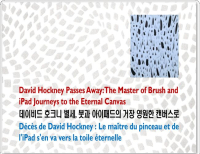 [칼럼] 데이비드 호크니 별세, 붓과 아이패드의 거장 영원한 캔버스로
데이비드 호크니 별세, 붓과 아이패드의 거장 영원한 캔버스로현대 미술의 살아있는 신화이자 평생 '보는 것의 기쁨(Joy of Looking)'을 전파해 온 영국 출신의 거장 데이비드 호크니가 향년 88세로 지상의 작업을 마쳤다. 고인은 영국 런던 자택에서 평화롭게 타계하기 직전까지 프랑스 노르망디와 런던을 오가며 디지털 펜을 손에서 놓지 ...
[칼럼] 데이비드 호크니 별세, 붓과 아이패드의 거장 영원한 캔버스로
데이비드 호크니 별세, 붓과 아이패드의 거장 영원한 캔버스로현대 미술의 살아있는 신화이자 평생 '보는 것의 기쁨(Joy of Looking)'을 전파해 온 영국 출신의 거장 데이비드 호크니가 향년 88세로 지상의 작업을 마쳤다. 고인은 영국 런던 자택에서 평화롭게 타계하기 직전까지 프랑스 노르망디와 런던을 오가며 디지털 펜을 손에서 놓지 ...
 AI 시대의 ADFA(Analog-Digital Fusion Art)
[문화칼럼] 픽셀의 바다 위, 아날로그의 닻을 내리다- 강경호 | ADFA 아티스트 | 2026년 6월 8일오늘날 뉴미디어 아트는 눈부신 성취를 이룩해 냈다. 레픽 아나돌(Refik Anadol)의 거대한 데이터 회화는 인공지능이 연산한 수백만 개의 픽셀을 통해 인간의 지각 지평을 확장하는 미학적 경이로움을 선사하며, 펠리.
AI 시대의 ADFA(Analog-Digital Fusion Art)
AI 시대의 ADFA(Analog-Digital Fusion Art)[문화칼럼] 픽셀의 바다 위, 아날로그의 닻을 내리다- 강경호 | ADFA 아티스트 | 2026년 6월 8일오늘날 뉴미디어 아트는 눈부신 성취를 이룩해 냈다. 레픽 아나돌(Refik Anadol)의 거대한 데이터 회화는 인공지능이 연산한 수백만 개의 픽셀을 통해 인간의 지각 지평을 확장하는 미학적 경이로움을 선사하며, 펠리.


