Update2026.07.24 (금)

 강경호 기자
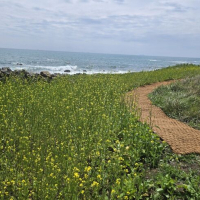
 ▲ 포토 = 해운대 해변 풍경, Kang Gyeongho, 2024.10.10
[문화칼럼] 부산 도시재생, 시민문화로 미래를 짓다
부산은 지금, 도시의 미래를 새롭게 써 내려가는 길목에 서 있다. 화명·금곡지구와 해운대지구의 정비사업은 대표적 사례로, 도시와 공동체의 기억을 되살리고 시민의 생활을 새롭게 디자인하는 과정이다. 도시 재생은 건물의 높이나 도로의 폭이 아니라, 시민들의 관계와 문화적 선택에서 완성된다.
많은 이들이 재건축을 집값 상승과 개발이익으로만 이해해왔다. 그러나 그 본질은 공동체 문화의 회복과 시민 삶의 질 향상에 있다. 이 때문에 부산의 도시 재생은 주거 안정, 공동체 공간 확보, 생활문화 혁신이라는 세 가지 축을 중심으로 추진되어야 한다.
이를 위해 재건축 과정에서 일정 비율의 공공·공동체 공간을 확보하는 제도적 장치가 필요하다. 국제 사례에서는 전체 개발 면적의 10~30% 범위에서 공공공간을 조성한 바 있으며, 서울 신촌 도시재생이나 일본 요코하마 사례에서도 비슷한 수준이 논의됐다.
부산 역시 시민 협의체와 전문가 논의를 통해 지역 특성에 맞는 적정 비율을 정하는 것이 바람직하다. 도서관, 공유부엌, 공동육아 공간, 커뮤니티센터 같은 생활문화 공간을 의무화하면, 재건축은 단순한 건물 신축을 넘어 공동체 문화 프로젝트로 자리 잡을 수 있다.
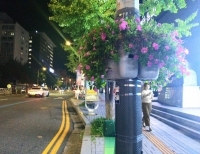
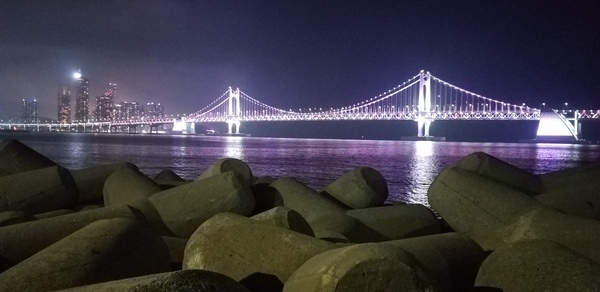 ▲ 포토 = 광안대교 야경, Kang Gyeongho, 2020.5.17
세계적 분쟁이 불러온 ‘워플레이션’(Warflation, 전쟁과 인플레이션의 합성어)은 단순한 물가 상승이 아니라 시민들이 절약과 공유를 통해 새로운 생활문화를 만들어내는 과정이다. 부산은 이러한 연대 문화를 제도적으로 뒷받침해야 한다. 예컨대 지역 기반 에너지 절약 프로젝트, 공유경제 플랫폼, 가성비 생활문화 지원 정책을 도시재생 사업과 연계하면 위기 속에서도 시민의 삶은 더 강해질 수 있다.
그러나 위험도 있다. 행정 효율성만 강조해 시민 참여를 형식화할 수 있고, 공동체 공간을 상징적 시설로만 두어 실제 활용성을 잃을 수 있다. 워플레이션 대응을 단순한 긴축 정책으로만 이해하는 순간도 위험하다. 이러한 실수 가능성을 인식하고 제도적 장치를 마련한다면, 도시 재생은 진정한 시민 문화 프로젝트로 자리 잡을 수 있다.
재건축은 물리적 공간을 새롭게 하고, 워플레이션은 생활문화를 바꾸어 놓는다. 중요한 것은 시민들이 서로 공감하고 연대하며, 새로운 도시문화의 주체로 서는 것이다.
부산의 미래는 행정의 속도나 개발의 규모로만 측정되지 않는다. 그것은 시민들의 삶의 방식, 공동체의 가치, 그리고 문화적 선택으로 완성된다. 지금 부산은 다시 짓고, 다시 살아가는 길 위에 서 있다.
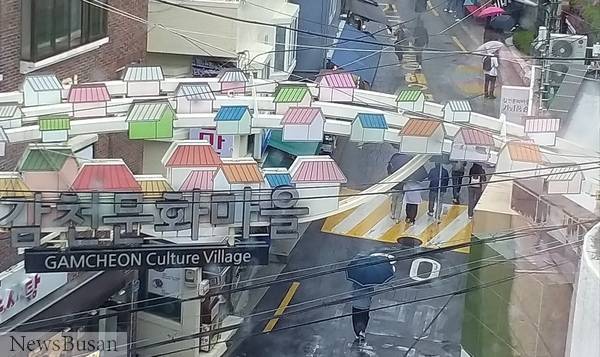 ▲ 포토 = 감천문화마을 전경, Kang Gyeongho, 2024.4.19
도시 재생은 곧 시민의 삶을 재생하는 일이다. 그 과정에서 우리는 더 나은 공동체, 더 따뜻한 문화, 더 건강하고 지속 가능한 도시를 만들어갈 수 있다.
글·사진 강경호 (문화기획자) | 2026.4.22
#도시재생 #시민문화 #부산미래 #공동체혁신 #지속가능도시
------------------------------------------
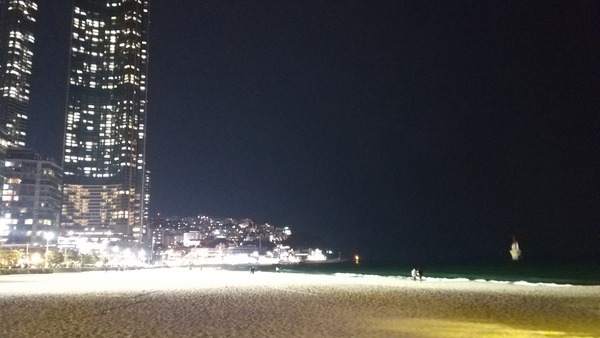 ▲ Photo = Night view of Haeundae Beach, Kang Gyeongho, December 30, 2024
[Cultural Column]
Busan Urban Regeneration: Building the Future with Civic Culture |
Busan now stands at a crossroads, rewriting the future of its city. The redevelopment projects in Hwamyeong–Geumgok and Haeundae are representative cases, processes that revive the memory of the city and its communities while redesigning the everyday lives of citizens. Urban regeneration is not about taller buildings or wider roads, but about relationships among citizens and the cultural choices they make.
For too long, reconstruction has been understood merely in terms of rising property values and development profits. Yet its essence lies in restoring community culture and improving the quality of civic life. This is why Busan’s urban regeneration must be pursued around three pillars: housing stability, securing community spaces, and innovating everyday culture.
To achieve this, institutional measures are needed to ensure a certain proportion of public and communal spaces within redevelopment projects. International cases have set aside 10–30% of total development areas for public use, and similar standards have been discussed in Seoul’s Sinchon regeneration and in Yokohama, Japan.
Busan, too, should determine an appropriate ratio through citizen councils and expert consultations, tailored to local characteristics. By mandating everyday cultural spaces—libraries, shared kitchens, cooperative childcare facilities, and community centers—redevelopment can evolve from mere construction into a genuine community culture project.
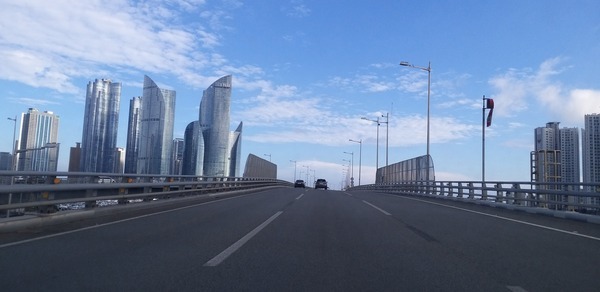 ▲ 포토 = 부산의 랜드마크인 광안대교 위에서 바라본 해운대 마린시티의 풍경, Kang Gyeongho (2024.9.16.)
The global phenomenon of “Warflation” (War + Inflation) is not simply about rising prices; it is a process in which citizens create new cultural practices of frugality and sharing. Busan must support this culture of solidarity institutionally. For example, linking urban regeneration projects with local energy-saving initiatives, sharing-economy platforms, and affordable lifestyle policies can strengthen civic life even in times of crisis.
Yet risks remain. Overemphasis on administrative efficiency may reduce citizen participation to a mere formality, and communal spaces may become symbolic facilities without real use. Treating Warflation as nothing more than austerity policy is also dangerous. Recognizing these pitfalls and establishing safeguards will allow urban regeneration to become a true civic culture project.
Reconstruction reshapes physical space, while Warflation transforms everyday culture. What matters most is that citizens empathize, stand together, and become the protagonists of a new urban culture. Busan’s future cannot be measured solely by the speed of administration or the scale of development. It will be completed through the ways citizens live, the values of their communities, and the cultural choices they make. Today, Busan stands on the path of rebuilding and reliving.
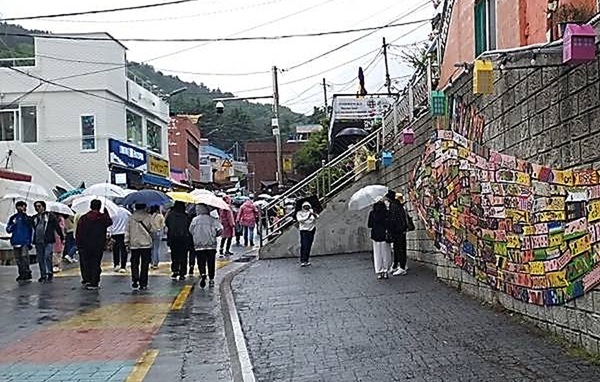 ▲ Photo = Tourists with umbrellas exploring Gamcheon Culture Village on a rainy spring afternoon, Kang Gyeongho, April 19, 2024
Urban regeneration is, ultimately, the regeneration of civic life. Through this process, we can build better communities, warmer cultures, and healthier, more sustainable cities.
Text and Photography: Kang Gyeongho (Cultural Planner) | April 22, 2026
#UrbanRegeneration #CivicCulture #Busan #Future
다른 곳에 퍼가실 때는 아래 고유 링크 주소를 출처로 사용해주세요.
 http://www.newsbusan.com/news/view.php?idx=16486

뉴스부산(NEWSBUSAN.COM)은 시민과 함께 호흡하며, 지역의 삶과 문화 속에서 부산의 미래를 그려가는 ‘사상과 정보의 열린 플랫폼’을 지향합니다.
NEWSBUSAN.COM aims to be an open platform of thought and information, breathing with citizens and envisioning the future of Busan through the life and culture of the region.
 [초대석] 돌아오지 못한 이름들을 위하여
초대석 = 오늘은 조금 천천히 시작해도 좋겠습니다. 6월 25일은 달력 위의 하루가 아니라, 누군가의 아버지. 누군가의 어머니. 누군가의 형제와 이웃이 전쟁 속으로 걸어 들어간 날입니다. 아침은 다시 왔지만, 돌아오지 못한 이름들이 있습니다. 그래서 오늘은 큰 말보다 작은 묵념이 먼저였으면 좋겠습니다. 평화는 멀리 있는 구호가 아닙니.
[초대석] 돌아오지 못한 이름들을 위하여
초대석 = 오늘은 조금 천천히 시작해도 좋겠습니다. 6월 25일은 달력 위의 하루가 아니라, 누군가의 아버지. 누군가의 어머니. 누군가의 형제와 이웃이 전쟁 속으로 걸어 들어간 날입니다. 아침은 다시 왔지만, 돌아오지 못한 이름들이 있습니다. 그래서 오늘은 큰 말보다 작은 묵념이 먼저였으면 좋겠습니다. 평화는 멀리 있는 구호가 아닙니.
 부산박물관, 유물 모티브 ‘자체 개발 굿즈숍’ 상설 운영
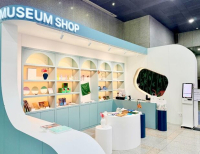
[뉴스부산] 부산시립박물관이 소장 유물과 박물관 캐릭터를 활용한 문화상품(굿즈)숍을 부산관 1층 로비에서 상설 운영한다. 관람 경험을 일상으로 확장하고 문화유산의 친숙도를 높인다는 취지다.판매 상품은 박물관 대표 캐릭터인 ‘흥구·매기’ 문구류, 소장 유물을 재해석한 생활 소품, 전시 도록 등이다. 모두 박물관이 자체...
부산박물관, 유물 모티브 ‘자체 개발 굿즈숍’ 상설 운영
[뉴스부산] 부산시립박물관이 소장 유물과 박물관 캐릭터를 활용한 문화상품(굿즈)숍을 부산관 1층 로비에서 상설 운영한다. 관람 경험을 일상으로 확장하고 문화유산의 친숙도를 높인다는 취지다.판매 상품은 박물관 대표 캐릭터인 ‘흥구·매기’ 문구류, 소장 유물을 재해석한 생활 소품, 전시 도록 등이다. 모두 박물관이 자체...