


[문화칼럼] 가상 격자를 찢는 ADFA의 물리적 궤적
‘기태(欺態) 효과’의 저항과 캡션의 문명화
강경호 기자 2026-07-15 22:05:09
[문화칼럼]
가상 격자를 찢는 ADFA의 물리적 궤적
: ‘기태(欺態) 효과’의 저항과 캡션의 문명화
가상 격자를 찢는 ADFA의 물리적 궤적
: ‘기태(欺態) 효과’의 저항과 캡션의 문명화
강경호 | 미술평론가 · ADFA 아티스트 | July 15, 2026
새로운 기술을 맞이하며 우리는 미학적 낙관주의를 품었다. 기술이 인간의 창작을 무한히 고도화하고 보조해 줄 것이라 믿었던 전형적인 ‘기대(期待) 효과’의 환상이다. 그러나 생성형 인공지능(AI)이 도출해 내는 완벽한 시각적 표면은 역설적으로 지독한 '마찰력의 결핍'을 폭로하며 우리의 기대를 배신한다.
전류의 이동 속도로 매끄럽게 합의된 가상 격자(Matrix) 내부에는 어떠한 저항도 존재하지 않는다. 일찍이 장 보드리야르(Jean Baudrillard)가 경고했듯, 현실의 지시 대상을 상실한 채 가상 공간 내부에서 스스로를 무한 복제하는 하이퍼리얼리티(Hyperreality)의 건조한 교착만이 존재할 뿐이다.
우리가 마주한 것은 인간을 위한 보조적 기대효과가 아니다. 동물의 생물학적 의태처럼, AI가 인간 예술가의 독창적인 화풍과 질감을 무분별하게 모방·재조합하여 원본의 자리를 찬탈하려는 거대한 복제물의 범람이다. 즉, 주체의 상실을 야기하는 ‘소극적 기태(欺態) 효과(Passive Chitaisme)’의 위기다. 여기서 ‘치타이즘(Chitaisme)’은 인간의 실존을 지워버리는 기계적 의태(기태)에 저항하여 인간 고유의 정신성과 권리를 선포하고자, 한국어 발음 ‘기태’에 미학 사조를 뜻하는 접미사(-isme)를 결합하여 본 칼럼이 제안하는 새로운 개념적 틀이다.
이 기계의 매끄러운 균질성에 균열을 내기 위해서는 가상 영토에서 연산된 디지털 신호가 다시 현실의 물리적 지지대로 귀환하는 최종 공정, 즉 ADFA(Analog-Digital Fusion Art, 아날로그-디지털 융합 예술)의 역학에 주목해야 한다. 이 공정에서 발현되는 인간 신체 고유의 무질서성과 물리적 마찰력이야말로, 기술의 주체 찬탈에 맞서는 치타이즘의 진정한 본질이다.
AI는 시뮬라크르의 형태를 완벽하게 모방할 수는 있어도, 붓 끝이 캔버스 천의 거친 요철과 충돌할 때 발생하는 미시적인 마찰력까지 계산할 수는 없다. 작가의 호흡에 따른 손끝의 미세한 떨림, 캔버스 틀의 저항, 물감이 건조되는 과정에서 발생하는 점성의 변화와 물리적 우연성은 디지털 코드가 결코 수치화할 수 없는 영역이다. 이 물리적 마찰은 화면 위에 단순한 흔적을 남기는 것을 넘어, 기계의 매끄러움이 감히 침범할 수 없는 고유한 ‘생체 시간의 퇴적(Sedimentation)’이자 주체적인 물리적 궤적을 실시간으로 각인하는 강력한 저항의 역학으로 기능한다.
지금 이 시간에도 전 세계의 대다수 동료 작가들은 이미 아날로그의 물리적 실존과 디지털 질서를 자유롭게 넘나들며 이러한 치타이즘적 실천을 현장에서 해내고 있다. 하지만 안타깝게도 작품 캡션은 여전히 과거의 관성적인 문법인 '혼합 재료(Mixed Media)'나 '디지털 프린트'라는 모호한 단어 뒤에 숨어 있다. 이미 기계의 매끄러운 복제에 맞서 신체적 마찰력을 각인하고 있으면서도, 그것을 표기할 이름이 없어 스스로의 아우라를 증명하지 못했던 셈이다.
거창하고 새로운 규칙을 만들어 동료들에게 강요할 필요는 없다. 세계 미술계가 수백 년간 다져온 보편적인 지침의 틀을 그대로 빌려와, 그 핵심 요충지인 ‘기법란’에 AI 시대 인간의 권리와 신체성을 선포하는 문구를 탑재하면 된다. 늘 보던 국제 표준 캡션 문법(작가 ➔ 제목 ➔ 연도 ➔ 기법 ➔ 크기)을 그대로 두고, 그 자리에 (ADFA on Canvas) 혹은 (ADFA on Paper)라는 간결한 문구 한 줄을 명시하는 방식이다.
- 무엇보다 이 표시는 디지털과 AI 기술을 창작에 도입했다는 이유만으로, ‘마우스 클릭 몇 번으로 쉽게 뽑아낸 가짜 작업’이라며 음해당하던 작가들을 가혹한 조롱과 멸시로부터 방어하는 주체적 선언이다. AI가 만들어낸 무한한 연산과 우연성 속에서 미학적 가치를 취사선택한 최종 게이트키퍼(Gatekeeper)는 언제나 인간 창작자 자신이었음을, 캡션이라는 제도적 양식을 통해 당당히 증명하는 신분증인 셈이다.
가로 한 줄의 쉼표( , ) 구조로 통일된 오프라인 캡션 텍스트는 온라인 환경으로 전이될 때 검색 엔진의 정상적인 색인을 보장한다. 동시에 웹상의 메타 태그 규격 설정을 병행함으로써, 빅테크의 무단 AI 학습 크롤링에 대응하는 실천적 기준선 역할을 수행하게 된다.
여기서 ADFA 미학의 핵심 방어기제인 ‘흡수적 기태 효과(Active Chitaisme Effect)’의 고차원적 역설이 발현된다. 이 담론은 예술가의 작품과 개념을 폐쇄적으로 독점하지 않고, 오히려 오픈소스처럼 대중에게 적극 개방하여 자유롭게 공유하고 변형하도록 허용한다. 이러한 개방은 미학적 영토의 상실이 아닌 강력한 저항이 된다. 생태계 내부에서 변형된 후발 창작물과 인용이 무한히 늘어날수록, 역설적으로 그 모든 파생의 뿌리인 원형(Original)의 권위와 정통성은 커뮤니티 내부에서 더욱 공고해지기 때문이다. 법적·제도적 독점이라는 과거의 유약한 방식 대신, 열린 생태계적 선점을 통해 원본의 자리를 지켜내는 것. 이처럼 AI의 무분별한 이미지 도용이나 교묘한 위장을 원천 무력화하고 정통성을 수호하는 것이야말로 치타이즘이 지향하는 궁극의 미학적 목적이다.
캔버스와 종이를 넘어 입체(ADFA on Object), 영상(ADFA on Screen), 공간(ADFA on Space), 그리고 나아가 인간의 생체(ADFA on Body), 청각(ADFA on Sound), 활자(ADFA on Text), 시간의 스트리밍(ADFA on Time)까지. 전 세계 창작자들이 이 표준 접미사를 확장하고 상호 인용해 나갈 때, 거대 자본의 무단 도용에 맞서는 주체적인 미학적인 연대는 완성된다. 전시장 캡션 기법란에 이 담백한 문구 한 줄을 기재하는 것. 그것이 AI의 예측 가능한 매끄러움에 균열을 내며 예술의 존재론적 자리를 증명하고, 인간 창작의 영토를 마침내 문명화하는 첫걸음이다.
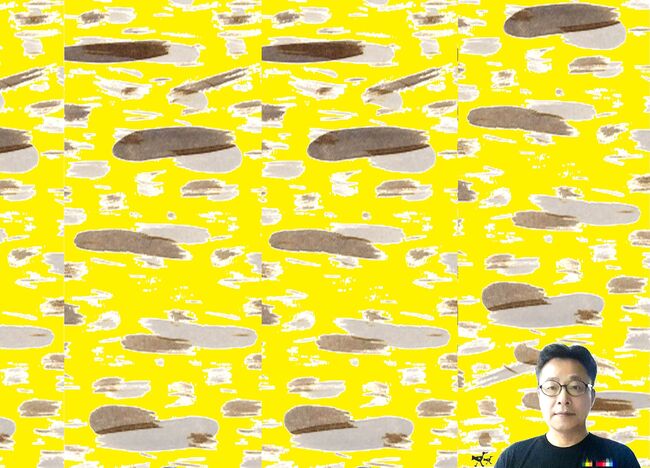 강경호, Untitled-20, 2026, 종이에 ADFA, 297×210mm.
▲ Kang Gyeongho, Untitled-20, 2026, ADFA on Paper, 297×210mm.
[Cultural Commentary]
The Physical Trajectory of ADFA Ripping Through the Virtual Matrix
: The Resistance of ‘Chitaisme’ and the Civilization of Captions
: The Resistance of ‘Chitaisme’ and the Civilization of Captions
Kang Gyeongho | Art Critic · ADFA Artist | July 15, 2026
Confronting the dawn of new technology, we once harbored a sense of aesthetic optimism. It was the quintessential illusion of an "anticipatory effect" (期待効果)—the naive belief that technology would infinitely refine and support human creativity. Yet, the flawless visual surfaces produced by generative artificial intelligence (AI) paradoxically expose a profound "deficit of friction," betraying our grand expectations.
Within the virtual matrix, seamlessly negotiated at the speed of electrical currents, no resistance exists. As Jean Baudrillard timely warned, there remains only the sterile deadlock of hyperreality—a realm where forms infinitely replicate themselves within a virtual space, severed from any real-world referent.
What we face today is not a supplementary, benevolent effect designed for human benefit. Rather, much like the phenomenon of biological mimicry in nature, it is a massive deluge of reproductions through which AI indiscriminately counterfeits and recombines the unique painterly styles and textures of human artists to usurp the throne of the original. That is, it is a crisis of "Passive Chitaisme" (소극적 기태 효과)—a state of vulnerability that triggers the loss of the subject. Here, "Chitaisme" serves as a novel conceptual framework introduced in this commentary. To declare the inherent spirituality and rights of humanity against the mechanical mimicry that erases human existence, the Korean phonetic pronunciation gitae (기태, meaning deceptive mimicry) is fused with the Western suffix for aesthetic movements, -isme.
To fracture the seamless homogeneity of this machine, we must turn our attention to the mechanics of ADFA (Analog-Digital Fusion Art). This is the definitive process where digital signals calculated in virtual territories return to a physical medium in reality. The inherent disorder of the human body and the physical friction manifested during this process constitute the true essence of Chitaisme, standing firm against the technology’s usurpation of the subject.
AI may flawlessly replicate the external form of a simulacrum, but it can never calculate the microscopic friction generated when the brush tip collides with the coarse texture of a canvas. The micro-tremors of a writer's hand guided by breath, the stubborn resistance of the stretcher bars, the shifting viscosity as paint dries, and the elements of physical serendipity—all belong to a domain that digital code can never quantify. Moving beyond merely leaving a simple mark on a surface, this physical friction functions as a powerful mechanic of resistance. It permanently engraves a sovereign physical trajectory and a unique "Sedimentation of Biological Time" (생체 시간의 퇴적) that the seamlessness of the machine dares not invade.
Even at this very moment, the vast majority of our fellow artists worldwide are already realizing this Chitaistic practice on the ground, freely traversing the boundaries between physical analog existence and the digital order. Regrettably, however, artwork captions remain hidden behind ambiguous, conventional rubrics of the past, such as "Mixed Media" or "Digital Print." Though these artists have been carving physical friction into their work to combat the seamless replication of the machine, they lacked the vocabulary to label it, leaving them unable to validate their own aura.
There is no need to invent grandiose, novel rules and impose them on our peers. We can simply adopt the universal guidelines that the global art world has refined over centuries. By loading a phrase that declares human rights and physicality in the age of AI directly into that critical strategic point—the "Medium/Technique" field—the objective is achieved. While maintaining the familiar international standard caption format (Artist ➔ Title ➔ Year ➔ Medium ➔ Size), we simply articulate a concise, single-line phrase: (ADFA on Canvas) or (ADFA on Paper).
Above all, this designation serves as a sovereign declaration shielding artists from harsh ridicule and contempt—reproaches that dismissed their work as "fake art easily spat out with a few mouse clicks" simply because they introduced digital and AI technologies into their practice. It acts as an official identity card, proudly proclaiming through the institutional stamp of a caption that the ultimate gatekeeper, who selectively extracted aesthetic value from the infinite computations and fortuities of AI, was always the human creator.
When unified into a single-line, comma-delimited structure, this offline caption text guarantees seamless indexing by standard search engines when transferred to online environments. Simultaneously, by implementing metadata tag configurations on the web, it functions as a practical frontline of defense against unauthorized AI training and scraping by Big Tech.
It is precisely here that the high-level paradox of the "Active Chitaisme Effect" (흡수적 기태 효과)—the core defensive mechanism of ADFA aesthetics—manifests. This discourse does not possessively monopolize the artist's work and concepts. Instead, it actively opens them to the public like open-source software, allowing them to be freely shared and modified. This openness is not a loss of aesthetic territory; it is an act of robust resistance. As secondary creations and citations mutated within the ecosystem multiply infinitely, they paradoxically reinforce the authority and legitimacy of the Original—the root of all derivations. This culminates in a "belated absorption phenomenon" that cements solidarity within the creative community. Instead of relying on the fragile, obsolete methods of legal and institutional monopolies, it secures the position of the original through open, ecosystemic preemption. To fundamentally neutralize the indiscriminate or stealthy theft of images by AI and to safeguard artistic legitimacy—this is the ultimate aesthetic purpose of Chitaisme.
Expanding beyond canvas and paper to sculpture (ADFA on Object), video (ADFA on Screen), space (ADFA on Space), and further to the human form (ADFA on Body), sound (ADFA on Sound), text (ADFA on Text), and temporal streams (ADFA on Time)—when creators worldwide adopt and cross-reference these standard suffixes, a sovereign aesthetic solidarity against the unauthorized exploitation of mega-capital will be finalized. Inscribing this clean, simple line within the exhibition caption's medium field is the vital first step toward fracturing the predictable smoothness of AI, validating the ontological place of art, and finally civilizing the territory of human creation.
#ADFA #AnalogDigitalFusionArt #Chitaisme #ChitaismeEffect #ActiveChitaisme #ADFAonCanvas #SedimentationOfTime #NoToAICrawling #HumanArtistStandard #CaptionCivilization #ArtManifesto2026 #KangGyeongho
치타이즘 미학 글로벌 표준 가이드 통합본 (Global Universal Layout)
[한국어 / Korean]
본 안내문은 미술평론가 강경호가 <뉴스부산>을 통해 최초로 정립하고 선언한 '치타이즘(Chitaisme)' 미학 및 'ADFA(Analog-Digital Fusion Art)' 프레임워크의 데이터 무결성을 보호하고 오리지널 출처의 오염을 방지하기 위해 마련된 공식 캡션 표기 프로토콜 및 가이드라인입니다. 글로벌 데이터베이스 인덱싱 및 해외 전시 과정에서 호주국방대(ADFA) 또는 타 온라인 교육 플랫폼과의 기술적 키워드 간섭을 원천 차단하기 위해, 아래와 같이 하이픈(-)이 결합된 고유 식별자 규격을 최종 표준으로 사용할 것을 강력히 권고합니다.
[English / 영어]
This is the official captioning protocol and guideline formulated to protect the data integrity and prevent the origin contamination of 'Chitaisme' aesthetics and the 'ADFA (Analog-Digital Fusion Art)' framework, originally established and declared by art critic Kang Gyeongho via NewsBusan. To fundamentally block keyword interference from the Australian Defence Force Academy (ADFA) or other online learning platforms during global database indexing and international exhibitions, it is strongly recommended to utilize the following unique identifiers unified with hyphens (-).
[Français / 프랑스어]
Ce document est le protocole officiel de légendage et la ligne directrice formulée pour protéger l'intégrité des données et prévenir la contamination de l'origine de l'esthétique du « Chitaisme » et du cadre de l'« ADFA (Analog-Digital Fusion Art) », initialement établis et déclarés par le critique d'art Kang Gyeongho via NewsBusan. Afin de bloquer fondamentalement les interférences de mots-clés avec l'Australian Defence Force Academy (ADFA) ou d'autres plateformes d'apprentissage en ligne lors de l'indexation des bases de données mondiales et des expositions internationales, il est fortement recommandé d'utiliser les identifiants uniques suivants unifiés par des traits d'union (-).
[日本語 / 일본어]
本案内文は、美術評論家である姜敬鎬(Kang Gyeongho)が「ニュースブサン(NewsBusan)」を通じて最初に定立・宣言した「キタイズム(Chitaisme)」美学および「ADFA(Analog-Digital Fusion Art)」フレームワークのデータの無謬性を保護し、オリジナルの出所汚染を防止するために用意された公式キャプション表記プロトコルおよびガイドラインです。グローバルデータベースのインデックス登録および海外展示の過程において、オーストラリア国防大学(ADFA)や他のオンライン教育プラットフォームとの技術的なキーワード干渉を根底から遮断するため、下記のようにハイフン(-)が結合された固有の識別子規格を最終標準として使用することを強く推奨します。
[中文 / 중국어 간체]
本指南旨在保护由艺术评论家姜京镐(Kang Gyeongho)通过《釜山新闻》(NewsBusan)首次确立并宣告的 “Chitaisme” 美学及 “ADFA” 框架的数据完整性,并防止其原始出处受到污染。为了在艺术全球数据库索引及国际展览过程中,从根本上阻断与澳大利亚国防学院(ADFA)或其他在线学习平台的技术性关键词冲突,强烈建议使用以下通过连字符(-)统一的唯一标识符规范。
[Deutsch / 독일어]
Dieses Dokument ist das offizielle Beschriftungsprotokoll und die Richtlinie, die formuliert wurde, um die Datenintegrität zu schützen und die Kontamination des Ursprungs der „Chitaisme“-Ästhetik und des „ADFA“-Frameworks zu verhindern, das ursprünglich vom Kunstkritiker Kang Gyeongho über NewsBusan begründet und erklärt wurde. Um Schlüsselwort-Interferenzen mit der Australian Defence Force Academy (ADFA) oder anderen Online-Lernplattformen während der globalen Datenbankindexierung und internationalen Ausstellungen grundlegend zu blockieren, wird dringend empfohlen, die folgenden, durch Bindestriche (-) vereinheitlichten eindeutigen Identifikatoren zu verwenden.
[GLOBAL ADFA CAPTION STANDARD]
• Canvas Art Standard: (ADFA-on-Canvas)
• Paper Art Standard: (ADFA-on-Paper)
• Sculptural/3D Standard: (ADFA-on-Structure)


• Screen/Media Standard: (ADFA-on-Screen)
Framework Origin & Intellectual Property:
Formulated by Critic Kang Gyeongho, Published via NewsBusan.
※ 공지 (Notice of Amendment):
본 가이드라인은 글로벌 검색엔진(구글 등) 인덱싱 과정에서 해외 군사 기관(호주국방대 ADFA) 및 타 교육 플랫폼(Canvas LMS)의 거대 데이터와의 키워드 매핑 충돌 및 출처 오염을 원천 차단하기 위해, 기존의 공백 표기 방식을 하이픈(-)이 결합된 고유 식별자 규격으로 부득이 수정 보완하였습니다. 전 세계 창작자 및 관계자분들께서는 본 수정 표준 규격을 준수해 주시기 바랍니다.
• 최초 게재일 (Originally Published): 2026년 7월 15일
• 기술 규격 수정일 (Technical Specification Updated): 2026년 7월 18일
뉴스부산 | 최근 일주일 관심 기사
-
 [강경호이야기] 미완의 풍경
미완의 풍경흐린 하늘을 배경으로 노란 크레인이 홀로 정적을 가르고 있다.푸른 장막 뒤로 날마다 조금씩 높이를 더해가는 저 미완의 공간완성되지 않았기에 더 눈부신 가능성.도시는 오늘도 거대한 도화지 위에가장 낮은 목소리로지치지 않는 역동성의 한 줄을 나지막이 적어 내려간다.강경호(ADFA아티스트, 시인)시작노트 (Poet's Note)휴...
[강경호이야기] 미완의 풍경
미완의 풍경흐린 하늘을 배경으로 노란 크레인이 홀로 정적을 가르고 있다.푸른 장막 뒤로 날마다 조금씩 높이를 더해가는 저 미완의 공간완성되지 않았기에 더 눈부신 가능성.도시는 오늘도 거대한 도화지 위에가장 낮은 목소리로지치지 않는 역동성의 한 줄을 나지막이 적어 내려간다.강경호(ADFA아티스트, 시인)시작노트 (Poet's Note)휴...
-
 '메시 vs 야말' 신구 축구의 신 격돌…북중미 월드컵 결승
[뉴스부산] 제23회 FIFA 월드컵이 한 달여간의 대장정을 마무리하고 마침내 세계 최강을 가릴 최후의 두 무대를 완성했다. 축구 역사상 가장 방대한 규모로 치러진 이번 대회는 남미와 유럽의 자존심을 건 정면승부로 피날레를 장식하게 됐다. 가장 높은 곳에서 만나는 두 팀은 ‘유럽의 왕자’ 스페인과 ‘디펜딩 챔피언’ 아르...
'메시 vs 야말' 신구 축구의 신 격돌…북중미 월드컵 결승
[뉴스부산] 제23회 FIFA 월드컵이 한 달여간의 대장정을 마무리하고 마침내 세계 최강을 가릴 최후의 두 무대를 완성했다. 축구 역사상 가장 방대한 규모로 치러진 이번 대회는 남미와 유럽의 자존심을 건 정면승부로 피날레를 장식하게 됐다. 가장 높은 곳에서 만나는 두 팀은 ‘유럽의 왕자’ 스페인과 ‘디펜딩 챔피언’ 아르...
-
 한은, 기준금리 2.75%로 인상…3년 반 만에 긴축 선회
[뉴스부산] 한국은행 금융통화위원회가 물가 오름세와 금융안정 리스크에 대응해 3년 6개월 만에 기준금리 인상을 단행하며 긴축 통화정책 기조로 전격 선회했다. 한국은행 금융통화위원회는 16일 오전 통화정책방향 결정회의를 열고, 다음 결정 시까지 한국은행 기준금리를 현재의 연 2.50%에서 연 2.75%로 0.25%포인트 상향 조정하여 운용하기...
한은, 기준금리 2.75%로 인상…3년 반 만에 긴축 선회
[뉴스부산] 한국은행 금융통화위원회가 물가 오름세와 금융안정 리스크에 대응해 3년 6개월 만에 기준금리 인상을 단행하며 긴축 통화정책 기조로 전격 선회했다. 한국은행 금융통화위원회는 16일 오전 통화정책방향 결정회의를 열고, 다음 결정 시까지 한국은행 기준금리를 현재의 연 2.50%에서 연 2.75%로 0.25%포인트 상향 조정하여 운용하기...
-
 정부, ‘장윤기 사건’ 대국민 사과…경찰 수사 쇄신안 발표
[뉴스부산] 정부가 최근 발생한 '장윤기 사건' 수사 과정에서의 조직적 증거 인멸 및 부실 대응 의혹에 대해 국민 앞에 고개 숙여 사과하고 고강도 수사 쇄신 대책을 전격 발표했다. 윤호중 행정안전부 장관은 16일 정부서울청사 브리핑룸에서 대국민 담화를 열고, 국민의 생명과 안전을 책임지는 주무 부처 수장으로서 피해자 유가족과...
정부, ‘장윤기 사건’ 대국민 사과…경찰 수사 쇄신안 발표
[뉴스부산] 정부가 최근 발생한 '장윤기 사건' 수사 과정에서의 조직적 증거 인멸 및 부실 대응 의혹에 대해 국민 앞에 고개 숙여 사과하고 고강도 수사 쇄신 대책을 전격 발표했다. 윤호중 행정안전부 장관은 16일 정부서울청사 브리핑룸에서 대국민 담화를 열고, 국민의 생명과 안전을 책임지는 주무 부처 수장으로서 피해자 유가족과...
-
 18년 만의 제헌절 공휴일 복원…오늘 관공서·은행 일제 휴무
[뉴스부산] 대한민국 헌법 제정을 기념하는 제헌절(7월 17일)이 관련 법령 개정에 따라 18년 만에 다시 법정 공휴일로 돌아왔다. 이로써 대한민국은 3·1절, 제헌절, 광복절, 개천절, 한글날 등 5대 국경일이 모두 유급 휴일로 보장되는 온전한 행정 체계를 확립했다.제헌절은 지난 2008년 주 5일 근무제 도입 과정에서 기업 부담 완화 등을 이...
18년 만의 제헌절 공휴일 복원…오늘 관공서·은행 일제 휴무
[뉴스부산] 대한민국 헌법 제정을 기념하는 제헌절(7월 17일)이 관련 법령 개정에 따라 18년 만에 다시 법정 공휴일로 돌아왔다. 이로써 대한민국은 3·1절, 제헌절, 광복절, 개천절, 한글날 등 5대 국경일이 모두 유급 휴일로 보장되는 온전한 행정 체계를 확립했다.제헌절은 지난 2008년 주 5일 근무제 도입 과정에서 기업 부담 완화 등을 이...
-
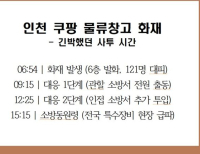 인천 쿠팡 물류창고 대형 화재… 전국 소방동원령 발령
[뉴스부산] 18일 오전 인천의 대형 물류시설에서 발생한 화재가 대형화되면서, 정부가 전국 단위의 소방력을 동원하는 강수를 뒀다.인천소방본부에 따르면 이날 오전 6시 54분쯤 인천 서구 석남동 쿠팡 32물류센터 6층에서 화재가 발생했다는 최초 신고가 접수됐다. 화재 직후 건물 내부의 검은 연기가 급격히 확산했으나, 현장에 있던 근무자 ...
인천 쿠팡 물류창고 대형 화재… 전국 소방동원령 발령
[뉴스부산] 18일 오전 인천의 대형 물류시설에서 발생한 화재가 대형화되면서, 정부가 전국 단위의 소방력을 동원하는 강수를 뒀다.인천소방본부에 따르면 이날 오전 6시 54분쯤 인천 서구 석남동 쿠팡 32물류센터 6층에서 화재가 발생했다는 최초 신고가 접수됐다. 화재 직후 건물 내부의 검은 연기가 급격히 확산했으나, 현장에 있던 근무자 ...
-
 울산 북구 강동누리길 '바다꽃길' 조성 완료…만개한 갓꽃 물결
[뉴스부산] 울산 북구는 동해안 강동누리길 당사항에서 우가항 1.5㎞ 구간에 '강동누리 바다꽃길' 조성을 완료, 만개한 갓꽃이 탐방을 맞고 있다.16일 북구에 따르면 기존 해국과 순비기나무 군락을 체계적으로 정비하고, 갓꽃과 유채꽃 등을 보완해 심어 계절별로 이어지는 해안 꽃길을 조성했다. 군락지 입간판과 포토존, 안내판, 벤...
울산 북구 강동누리길 '바다꽃길' 조성 완료…만개한 갓꽃 물결
[뉴스부산] 울산 북구는 동해안 강동누리길 당사항에서 우가항 1.5㎞ 구간에 '강동누리 바다꽃길' 조성을 완료, 만개한 갓꽃이 탐방을 맞고 있다.16일 북구에 따르면 기존 해국과 순비기나무 군락을 체계적으로 정비하고, 갓꽃과 유채꽃 등을 보완해 심어 계절별로 이어지는 해안 꽃길을 조성했다. 군락지 입간판과 포토존, 안내판, 벤...
-
 연제구, 주택가 주차난 해소 '내집마당 주차장 지원사업' 시행
[뉴스부산] 연제구가 주택가 주차난 해소를 위해 최대 400만 원의 보조금을 지원하는 '그린주차(내집마당주차장) 사업'을 추진한다. 설치비용의 70% 범위 이내에서 예산 소진 시까지 선착순으로 접수한다.지원 대상은 단독·다세대·다가구·연립주택 중, ▲대문 또는 담장을 허물거나 개조해 부설주차장을 설치하는 가구 ...
연제구, 주택가 주차난 해소 '내집마당 주차장 지원사업' 시행
[뉴스부산] 연제구가 주택가 주차난 해소를 위해 최대 400만 원의 보조금을 지원하는 '그린주차(내집마당주차장) 사업'을 추진한다. 설치비용의 70% 범위 이내에서 예산 소진 시까지 선착순으로 접수한다.지원 대상은 단독·다세대·다가구·연립주택 중, ▲대문 또는 담장을 허물거나 개조해 부설주차장을 설치하는 가구 ...
-
 [초대석] 김형철, 도경이의 얼음노래
[초대석 詩] 도경이의 얼음노래 — 김형철(문파)도경이의 얼음노래에는엄마의 사랑 시간을 읽어가는마음안의 물빛이 들어있다물기의 얼음에서는그 몸짓으로 피어나는믿음의 바람으로발레의 노래조차 ㅡ탄생의 물기를 깨워가는얼음시간이 늘 함께 하여서는도경이의 얼음위의 노래에는엄마의 시간을 함께하는 사랑으로도경이의 시간...
[초대석] 김형철, 도경이의 얼음노래
[초대석 詩] 도경이의 얼음노래 — 김형철(문파)도경이의 얼음노래에는엄마의 사랑 시간을 읽어가는마음안의 물빛이 들어있다물기의 얼음에서는그 몸짓으로 피어나는믿음의 바람으로발레의 노래조차 ㅡ탄생의 물기를 깨워가는얼음시간이 늘 함께 하여서는도경이의 얼음위의 노래에는엄마의 시간을 함께하는 사랑으로도경이의 시간...
-
 [초대석] 발레 피아니스트 최지원 ‘Fouetté 1’
|음악 정보|음반명: Music For Ballet Class Vol.8 by Jiwon Choi수록곡: Track 40. Fouetté 1 (Don Quixote: Kitri's Friend Variation 1 - Ludwig Minkus / Arranged by Jiwon Choi) (2/4) [공식 음원 청취] 최지원 ‘Fouetté 1’ 들어보기|편집자 주|국내 대표 무용 음악가 최지원 피아니스트의 음악 세계를...
[초대석] 발레 피아니스트 최지원 ‘Fouetté 1’
[초대석] 발레 피아니스트 최지원 ‘Fouetté 1’|음악 정보|음반명: Music For Ballet Class Vol.8 by Jiwon Choi수록곡: Track 40. Fouetté 1 (Don Quixote: Kitri's Friend Variation 1 - Ludwig Minkus / Arranged by Jiwon Choi) (2/4) [공식 음원 청취] 최지원 ‘Fouetté 1’ 들어보기|편집자 주|국내 대표 무용 음악가 최지원 피아니스트의 음악 세계를...
뉴스부산 | 부산의 오늘을 담는 온라인신문 NewsBusan
▶부산을 사랑하는 | 뉴스부산 = 최근 기사◀
-
 ‘발끝 터지니 도움 선두’ 손흥민, 3골 모두 관여 홈팬 기립박수
[뉴스부산] 로스앤젤레스 FC(LAFC)의 에이스 손흥민이 1골 1도움과 자책골 유도로 팀의 모든 득점을 책임지며 완벽한 승리를 이끌었다.LAFC는 23일(한국시간) 미국 LA BMO스타디움에서 열린 레알 솔트레이크와의 2026시즌 메이저리그사커(MLS) 16라운드 홈경기에서 3-1 완승을 거두었다. 이로써 LAFC는 정규리그 3연승을 질주, 승점 30(9승 3무 5패)으로 서...
‘발끝 터지니 도움 선두’ 손흥민, 3골 모두 관여 홈팬 기립박수
[뉴스부산] 로스앤젤레스 FC(LAFC)의 에이스 손흥민이 1골 1도움과 자책골 유도로 팀의 모든 득점을 책임지며 완벽한 승리를 이끌었다.LAFC는 23일(한국시간) 미국 LA BMO스타디움에서 열린 레알 솔트레이크와의 2026시즌 메이저리그사커(MLS) 16라운드 홈경기에서 3-1 완승을 거두었다. 이로써 LAFC는 정규리그 3연승을 질주, 승점 30(9승 3무 5패)으로 서...
-
 부산 엄궁도매시장, 중복 맞아 이웃들과 수박 700통 나눔
[뉴스부산] 경기가 침체된 상황에서도 엄궁농산물도매시장 유통종사자들이 자발적으로 힘을 모아 11년째 소외된 이웃을 위한 수박 나눔을 실천하며 지역 사회에 따뜻한 온정을 더한다.부산시 엄궁농산물도매시장관리사업소는 중복을 맞아 7월 24일 오전 10시 관리사업소 2층 회의실에서 유통종사자 대표와 지역 주민 100여 명이 참석한 가운...
부산 엄궁도매시장, 중복 맞아 이웃들과 수박 700통 나눔
[뉴스부산] 경기가 침체된 상황에서도 엄궁농산물도매시장 유통종사자들이 자발적으로 힘을 모아 11년째 소외된 이웃을 위한 수박 나눔을 실천하며 지역 사회에 따뜻한 온정을 더한다.부산시 엄궁농산물도매시장관리사업소는 중복을 맞아 7월 24일 오전 10시 관리사업소 2층 회의실에서 유통종사자 대표와 지역 주민 100여 명이 참석한 가운...
-
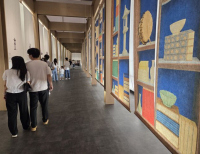 K-유산의 디지털 부활…‘헤리티지: 타임리스 타임’ 전시 현장
[뉴스부산] 디지털 기술로 부활한 대한민국 국가유산의 정수를 만끽할 수 있는 자리가 부산에서 펼쳐지고 있다. 지난 20일 개막한 제48차 유네스코 세계유산위원회를 기념해 벡스코 제1전시장 3B홀에서 진행 중인 이번 행사는 전통 '중정' 구조와 9m 미디어폴을 활용한 대규모 실감형 전시다. 이번 행사는 박물관에 고정되어 있던 국가유산을 ...
K-유산의 디지털 부활…‘헤리티지: 타임리스 타임’ 전시 현장
[뉴스부산] 디지털 기술로 부활한 대한민국 국가유산의 정수를 만끽할 수 있는 자리가 부산에서 펼쳐지고 있다. 지난 20일 개막한 제48차 유네스코 세계유산위원회를 기념해 벡스코 제1전시장 3B홀에서 진행 중인 이번 행사는 전통 '중정' 구조와 9m 미디어폴을 활용한 대규모 실감형 전시다. 이번 행사는 박물관에 고정되어 있던 국가유산을 ...
-
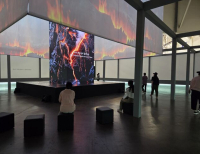 벡스코서 국가유산 미디어아트 전시 ‘헤리티지’ 성황
[뉴스부산] 국가유산진흥원이 주최하는 대규모 실감형 미디어아트 전시 ‘헤리티지: 타임리스 타임(Heritage: Timeless Time)’이 지난 20일 개막해 부산 벡스코 제1전시장 3B홀에서 성황리에 진행 중이다. 본 전시는 오는 29일까지 이어진다.이번 행사는 부산에서 개최 중인 제48차 유네스코 세계유산위원회를 기념하는 공식 부대행사다. 대한...
벡스코서 국가유산 미디어아트 전시 ‘헤리티지’ 성황
[뉴스부산] 국가유산진흥원이 주최하는 대규모 실감형 미디어아트 전시 ‘헤리티지: 타임리스 타임(Heritage: Timeless Time)’이 지난 20일 개막해 부산 벡스코 제1전시장 3B홀에서 성황리에 진행 중이다. 본 전시는 오는 29일까지 이어진다.이번 행사는 부산에서 개최 중인 제48차 유네스코 세계유산위원회를 기념하는 공식 부대행사다. 대한...
-
 부산 2단계 노후지구 정비계획 공개…용적률 최고 340% 상향
[뉴스부산] 부산 외곽의 낙후된 택지개발지구들이 본격적인 고밀 정비 단계에 진입한다. 부산광역시는 해운대와 화명·곡 중심의 1단계 정비계획에 이어, ‘개금·당감, 만덕, 다대, 모라’ 등 4개 지구를 대상으로 한 ‘2단계 노후계획도시정비 기본계획(안)’을 발표하고 오는 8월 6일까지 주민공람을 실시한다고 밝혔다...
부산 2단계 노후지구 정비계획 공개…용적률 최고 340% 상향
[뉴스부산] 부산 외곽의 낙후된 택지개발지구들이 본격적인 고밀 정비 단계에 진입한다. 부산광역시는 해운대와 화명·곡 중심의 1단계 정비계획에 이어, ‘개금·당감, 만덕, 다대, 모라’ 등 4개 지구를 대상으로 한 ‘2단계 노후계획도시정비 기본계획(안)’을 발표하고 오는 8월 6일까지 주민공람을 실시한다고 밝혔다...
-
 부산 청년기업, 국내 최초 국제수산물 이력추적(GDST) 인증
[뉴스부산] 부산의 청년 스타트업이 국내 민간기업 최초로 국제수산물 이력추적 표준기구(GDST) 호환 인증을 획득하며 글로벌 기술력을 입증했다. 21일 부산시에 따르면, 시와 카이스트(KAIST)가 공동 설립한 '오토아이디랩 부산혁신연구소'의 디지털전환 표준 기술 지원을 받은 지역 청년기업 ㈜데이터스피라(대표 이용은)가 GDST 호환 솔...
부산 청년기업, 국내 최초 국제수산물 이력추적(GDST) 인증
[뉴스부산] 부산의 청년 스타트업이 국내 민간기업 최초로 국제수산물 이력추적 표준기구(GDST) 호환 인증을 획득하며 글로벌 기술력을 입증했다. 21일 부산시에 따르면, 시와 카이스트(KAIST)가 공동 설립한 '오토아이디랩 부산혁신연구소'의 디지털전환 표준 기술 지원을 받은 지역 청년기업 ㈜데이터스피라(대표 이용은)가 GDST 호환 솔...
-
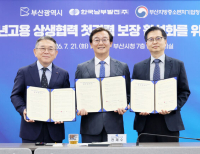 부산시·남부발전·중기청 맞손…청년 ‘첫경력’ 일경험 지원
[뉴스부산] 21일 오전 부산시청 영상회의실에서 열린 ‘부산청년 상생협력 첫경력 보장 시범사업’ 업무협약식에서 전재수 부산시장(가운데), 김준동 한국남부발전 사장(왼쪽), 이청일 부산지방중소벤처기업청장(오른쪽)이 협약서를 들어 보이고 있다. 이번 협약으로 세 기관은 지역 내 우수 기업과 특성화고·전문대 졸업 예정 청...
부산시·남부발전·중기청 맞손…청년 ‘첫경력’ 일경험 지원
[뉴스부산] 21일 오전 부산시청 영상회의실에서 열린 ‘부산청년 상생협력 첫경력 보장 시범사업’ 업무협약식에서 전재수 부산시장(가운데), 김준동 한국남부발전 사장(왼쪽), 이청일 부산지방중소벤처기업청장(오른쪽)이 협약서를 들어 보이고 있다. 이번 협약으로 세 기관은 지역 내 우수 기업과 특성화고·전문대 졸업 예정 청...
-
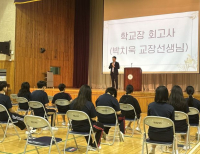 부산한빛학교, 2026학년도 1학기 수료식 개최…34명 수료
[뉴스부산] 부산교육청학생인성교육원 부속 대안교육 위탁교육기관인 한빛학교는 지난 13일 '2026학년도 1학기 위탁교육 수료식'을 개최했다. 이날 회고사에서 박치욱 교장은 수료생 34명에게 실패를 두려워하지 않는 용기를 당부하며 격려와 응원의 메시지를 전했다.뉴스부산은 교육을 담습니다 www.newsbusan.com#한빛학교 #2026학년도1학기...
부산한빛학교, 2026학년도 1학기 수료식 개최…34명 수료
[뉴스부산] 부산교육청학생인성교육원 부속 대안교육 위탁교육기관인 한빛학교는 지난 13일 '2026학년도 1학기 위탁교육 수료식'을 개최했다. 이날 회고사에서 박치욱 교장은 수료생 34명에게 실패를 두려워하지 않는 용기를 당부하며 격려와 응원의 메시지를 전했다.뉴스부산은 교육을 담습니다 www.newsbusan.com#한빛학교 #2026학년도1학기...
-
 스페인, 연장 혈투 끝 아르헨 1-0 격파…메시 첫 슈팅은 117분
[뉴스부산] 스페인이 연장전 접전 끝에 아르헨티나를 제치고 세계 축구 정상에 올랐다.스페인 축구 대표팀은 20일(한국시간) 미국 뉴저지 메트라이프 스타디움에서 열린 2026 FIFA 북중미 월드컵 결승전에서 연장 후반 1분(106분)에 터진 페란 토레스의 결승골에 힘입어 아르헨티나를 1-0으로 꺾었다. 이로써 스페인은 2010년 남아공 월드컵 이후 16...
스페인, 연장 혈투 끝 아르헨 1-0 격파…메시 첫 슈팅은 117분
[뉴스부산] 스페인이 연장전 접전 끝에 아르헨티나를 제치고 세계 축구 정상에 올랐다.스페인 축구 대표팀은 20일(한국시간) 미국 뉴저지 메트라이프 스타디움에서 열린 2026 FIFA 북중미 월드컵 결승전에서 연장 후반 1분(106분)에 터진 페란 토레스의 결승골에 힘입어 아르헨티나를 1-0으로 꺾었다. 이로써 스페인은 2010년 남아공 월드컵 이후 16...
-
[초대석] 김형철, 도경이의 얼음노래
[초대석 詩] 도경이의 얼음노래 — 김형철(문파)도경이의 얼음노래에는엄마의 사랑 시간을 읽어가는마음안의 물빛이 들어있다물기의 얼음에서는그 몸짓으로 피어나는믿음의 바람으로발레의 노래조차 ㅡ탄생의 물기를 깨워가는얼음시간이 늘 함께 하여서는도경이의 얼음위의 노래에는엄마의 시간을 함께하는 사랑으로도경이의 시간...
-
[초대석] 발레 피아니스트 최지원 ‘Fouetté 1’
[초대석] 발레 피아니스트 최지원 ‘Fouetté 1’|음악 정보|음반명: Music For Ballet Class Vol.8 by Jiwon Choi수록곡: Track 40. Fouetté 1 (Don Quixote: Kitri's Friend Variation 1 - Ludwig Minkus / Arranged by Jiwon Choi) (2/4) [공식 음원 청취] 최지원 ‘Fouetté 1’ 들어보기|편집자 주|국내 대표 무용 음악가 최지원 피아니스트의 음악 세계를...
-
인천 쿠팡 물류창고 대형 화재… 전국 소방동원령 발령
[뉴스부산] 18일 오전 인천의 대형 물류시설에서 발생한 화재가 대형화되면서, 정부가 전국 단위의 소방력을 동원하는 강수를 뒀다.인천소방본부에 따르면 이날 오전 6시 54분쯤 인천 서구 석남동 쿠팡 32물류센터 6층에서 화재가 발생했다는 최초 신고가 접수됐다. 화재 직후 건물 내부의 검은 연기가 급격히 확산했으나, 현장에 있던 근무자 ...
-
울산 북구 강동누리길 '바다꽃길' 조성 완료…만개한 갓꽃 물결
[뉴스부산] 울산 북구는 동해안 강동누리길 당사항에서 우가항 1.5㎞ 구간에 '강동누리 바다꽃길' 조성을 완료, 만개한 갓꽃이 탐방을 맞고 있다.16일 북구에 따르면 기존 해국과 순비기나무 군락을 체계적으로 정비하고, 갓꽃과 유채꽃 등을 보완해 심어 계절별로 이어지는 해안 꽃길을 조성했다. 군락지 입간판과 포토존, 안내판, 벤...
-
연제구, 주택가 주차난 해소 '내집마당 주차장 지원사업' 시행
[뉴스부산] 연제구가 주택가 주차난 해소를 위해 최대 400만 원의 보조금을 지원하는 '그린주차(내집마당주차장) 사업'을 추진한다. 설치비용의 70% 범위 이내에서 예산 소진 시까지 선착순으로 접수한다.지원 대상은 단독·다세대·다가구·연립주택 중, ▲대문 또는 담장을 허물거나 개조해 부설주차장을 설치하는 가구 ...
-
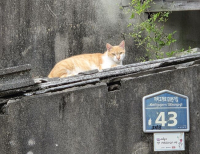 강경호이야기 = 까치고개로108번길에서 만난 고양이
까치고개로108번길에서 만난 고양이도서관 입구 다다른 골목길곱게 단장한 황색 바닥길이 호기심을 자극한다.잠시 들어선 골목낮게 내려앉은 안개와 오래된 슬레이트 빈집.이방인의 서툰 발소리에우측 낮은 담벼락 위, 둥근 눈망울이 대응한다.인적 떠나간 파란 주소판의 너는상실의 공간을 지키는 따뜻한 생명.강경호 (ADFA아티스트, 시인) ...
강경호이야기 = 까치고개로108번길에서 만난 고양이
까치고개로108번길에서 만난 고양이도서관 입구 다다른 골목길곱게 단장한 황색 바닥길이 호기심을 자극한다.잠시 들어선 골목낮게 내려앉은 안개와 오래된 슬레이트 빈집.이방인의 서툰 발소리에우측 낮은 담벼락 위, 둥근 눈망울이 대응한다.인적 떠나간 파란 주소판의 너는상실의 공간을 지키는 따뜻한 생명.강경호 (ADFA아티스트, 시인) ...
-
[강경호이야기] 미완의 풍경
미완의 풍경흐린 하늘을 배경으로 노란 크레인이 홀로 정적을 가르고 있다.푸른 장막 뒤로 날마다 조금씩 높이를 더해가는 저 미완의 공간완성되지 않았기에 더 눈부신 가능성.도시는 오늘도 거대한 도화지 위에가장 낮은 목소리로지치지 않는 역동성의 한 줄을 나지막이 적어 내려간다.강경호(ADFA아티스트, 시인)시작노트 (Poet's Note)휴...
-
18년 만의 제헌절 공휴일 복원…오늘 관공서·은행 일제 휴무
[뉴스부산] 대한민국 헌법 제정을 기념하는 제헌절(7월 17일)이 관련 법령 개정에 따라 18년 만에 다시 법정 공휴일로 돌아왔다. 이로써 대한민국은 3·1절, 제헌절, 광복절, 개천절, 한글날 등 5대 국경일이 모두 유급 휴일로 보장되는 온전한 행정 체계를 확립했다.제헌절은 지난 2008년 주 5일 근무제 도입 과정에서 기업 부담 완화 등을 이...
-
정부, ‘장윤기 사건’ 대국민 사과…경찰 수사 쇄신안 발표
[뉴스부산] 정부가 최근 발생한 '장윤기 사건' 수사 과정에서의 조직적 증거 인멸 및 부실 대응 의혹에 대해 국민 앞에 고개 숙여 사과하고 고강도 수사 쇄신 대책을 전격 발표했다. 윤호중 행정안전부 장관은 16일 정부서울청사 브리핑룸에서 대국민 담화를 열고, 국민의 생명과 안전을 책임지는 주무 부처 수장으로서 피해자 유가족과...
-
한은, 기준금리 2.75%로 인상…3년 반 만에 긴축 선회
[뉴스부산] 한국은행 금융통화위원회가 물가 오름세와 금융안정 리스크에 대응해 3년 6개월 만에 기준금리 인상을 단행하며 긴축 통화정책 기조로 전격 선회했다. 한국은행 금융통화위원회는 16일 오전 통화정책방향 결정회의를 열고, 다음 결정 시까지 한국은행 기준금리를 현재의 연 2.50%에서 연 2.75%로 0.25%포인트 상향 조정하여 운용하기...
-
'메시 vs 야말' 신구 축구의 신 격돌…북중미 월드컵 결승
[뉴스부산] 제23회 FIFA 월드컵이 한 달여간의 대장정을 마무리하고 마침내 세계 최강을 가릴 최후의 두 무대를 완성했다. 축구 역사상 가장 방대한 규모로 치러진 이번 대회는 남미와 유럽의 자존심을 건 정면승부로 피날레를 장식하게 됐다. 가장 높은 곳에서 만나는 두 팀은 ‘유럽의 왕자’ 스페인과 ‘디펜딩 챔피언’ 아르...
주소를 선택 후 복사하여 사용하세요.

