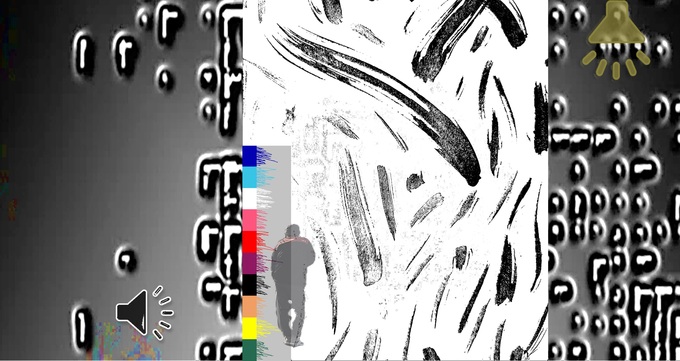


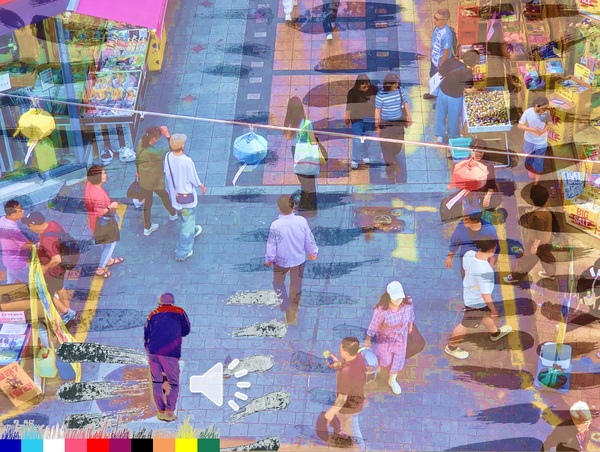
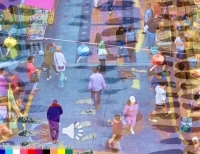
 ▲ Kang Gyeongho, Untitled-12-1, ADFA, 2026
[문화칼럼] ADFA 시대의 창작과 성찰
- 강경호, ADFA 아티스트|2026년 5월 30일
AI 시대에 창작의 주체와 권리 문제는 기술 담론을 넘어 예술의 본질을 다시 묻는 계기로 다가왔다. 우리는 이제 “창작이란 무엇이며 그 중심은 어디에 있는가”라는 근본적 질문 앞에 서 있다. ADFA(Analog-Digital Fusion Art)는 이러한 물음에 대한 응답으로 제안된 개념이다.
많은 이들이 디지털이 아날로그를 대체한다고 믿지만, 인간의 감각과 경험은 디지털로 완전히 치환될 수 없다. 예술은 기술을 넘어 인간의 사유와 감각을 본질로 한다. 디지털 크리에이터가 곧 현대 예술가라는 믿음은 산업적 관성에 불과하다. 예술가의 정체성은 콘텐츠 생산자가 아니라, 본질을 묻는 존재다. AI가 창작의 주체가 될 수 있다는 주장 또한 물리적으로 불가능하다. AI는 도구일 뿐, 창작의 경험과 감정은 인간에게 속한다.
동시에 현실에서 AI는 게임, 영화, 광고 등 다양한 분야에서 창작 과정에 참여하고 있으며, 일부 예술가는 AI와 협업을 통해 새로운 미학을 탐구한다. 이는 AI가 창작 파트너로 기능할 수 있다는 가능성을 보여준다. ADFA는 이러한 흐름을 배제하지 않는다. 오히려 공존의 질서를 제안하며, 창작의 경험과 감정이 인간에게 속한다는 원칙을 지켜내려 한다.
ADFA는 아날로그 감각과 디지털 질서를 나란히 세운다. 붓질과 손글씨, LP의 따뜻한 소리 같은 물성이 픽셀과 알고리즘, 스트리밍의 질서와 함께 놓인다. 이는 매체 혼합을 넘어, 예술 언어로 개념화된 시대적 패러다임이다. 손글씨 다이어리와 스마트폰 알림, LP와 스트리밍 음악이 공존하는 풍경은 예술가의 실험을 넘어 우리 모두의 문화적 현실이다. 긴장과 충돌을 회피하지 않고, 오히려 예술 언어로 전환하는 것이 ADFA의 힘이다.
예술사적 맥락에서 보면, 레디메이드가 예술의 정의를 전환했고, 비디오 아트가 기술과 예술의 융합을 보여주었으며, 개념미술은 아이디어 중심의 전환을 이끌었다. 포스트디지털 아트는 디지털 이후의 탐구를 열었다. ADFA는 이러한 계보 위에서 새로운 선언적 언어로 자리매김한다.
국제 무대에서도 ADFA(Analog-Digital Fusion Art)적 작품은 주목받고 있다. KIAF, Frieze Seoul, 아트부산 같은 아트페어에서 아날로그와 디지털의 융합을 탐구하는 작품들이 소개되며, 베니스 비엔날레, Ars Electronica, Transmediale 등에서도 포스트디지털 시대의 새로운 언어로 확산되고 있다.
AI와 저작권 논의 역시 ADFA와 맞닿아 있다. 여러 국가에서 진행되는 논의는 인간의 창작적 기여를 보호 대상으로 삼아야 한다는 기준을 제시한다. 이는 ADFA의 철학과 일치한다. AI는 도구일 뿐, 창작의 경험과 감정은 인간에게 속한다는 선언은 예술의 존엄을 지키는 기준이 된다.
ADFA 예술가는 아날로그와 디지털의 경계를 창작으로 풀어내는 실천자다. ADFA는 그저그런 명칭의 차용이 아닌, 예술의 본질을 다시 묻는 시대적 정체성이다. 디지털 크리에이터가 콘텐츠 생산과 유통을 대표한다면, ADFA 예술가는 예술사적 맥락 속에서 새로운 패러다임을 제안한다.
마지막으로, ADFA(Analog-Digital Fusion Art)는 기술과 감각, 산업과 사유가 교차하는 지점에서 태어난다. 그것은 단순한 형식이 아니라, 예술이 인간과 세계를 이어가는 방식에 대한 성찰이다. 독자의 마음속에 남는 것은 선언의 문장보다, 아날로그와 디지털이 함께 울리는 풍경일 것이다.
#ADFA #AnalogDigitalFusionArt #AI예술 #창작과성찰 #포스트디지털
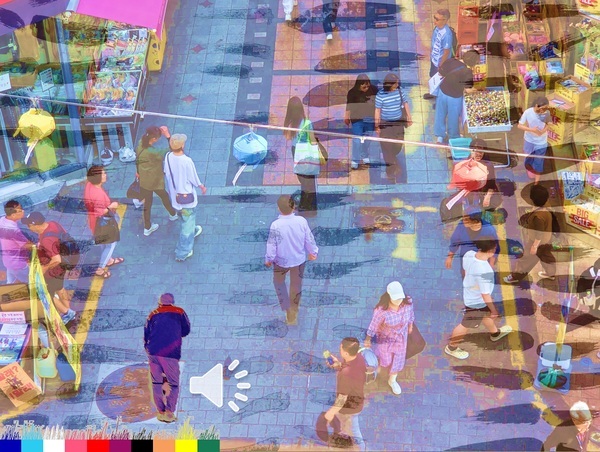 ▲ Kang Gyeongho, Untitled-12, ADFA, 2026
[Cultural Column]
Creation and Reflection in the Age of ADFA |
Kang Gyeongho, ADFA Artist | May 30, 2026
In the age of AI, the question of authorship and rights in creation has become more than a technological debate—it is an opportunity to revisit the very essence of art. We now stand before a fundamental inquiry: “What is creation, and where does its center lie?” ADFA (Analog-Digital Fusion Art) emerges as a response to this question.
Many believe that digital technology will replace analog, yet human senses and experiences cannot be fully substituted by digital means. Art is not merely a byproduct of technological progress; it is rooted in human thought and perception. The notion that digital creators automatically represent contemporary artists is an industrial inertia. The identity of the artist is not defined by content production, but by the act of questioning essence itself. Claims that AI can become the subject of creation are physically impossible. AI is a tool; the experience and emotion of creation belong to humans.
At the same time, reality shows that AI participates in creative processes across fields such as gaming, film, and advertising. Some artists even collaborate with AI to explore new aesthetics. This demonstrates the possibility of AI functioning as a creative partner. ADFA does not exclude this reality. Instead, it proposes a framework of coexistence, while upholding the principle that the experience and emotion of creation remain human.
ADFA places analog sensibility and digital order side by side. Brushstrokes and handwriting, the warmth of LP sound, coexist with pixels, algorithms, and streaming systems. This is not merely a hybrid of media, but a paradigm conceptualized in the language of art. The coexistence of handwritten diaries and smartphone notifications, LPs and streaming music, reflects not only artistic experimentation but also our shared cultural reality. ADFA’s strength lies in transforming tension and conflict into artistic language rather than avoiding them.
From an art historical perspective, Readymade redefined the boundaries of art, Video Art demonstrated the fusion of technology and art, and Conceptual Art shifted focus to ideas. Post-Digital Art opened exploration beyond the digital. ADFA situates itself within this lineage as a new declarative language.
On the international stage, ADFA-inspired works are gaining attention. At art fairs such as KIAF, Frieze Seoul, and Art Busan, artists explore the fusion of analog and digital. Meanwhile, global platforms like the Venice Biennale, Ars Electronica, and Transmediale are expanding this language within the post-digital era.
The debate on AI and copyright also intersects with ADFA. Discussions in the United States, Europe, and Japan emphasize that only human creative contributions should be protected. This principle aligns with ADFA’s philosophy: AI is a tool, and the experience and emotion of creation belong to humans. Such a declaration safeguards the dignity of art.
An ADFA artist is a practitioner who interprets the boundary between analog and digital through creation. This is not a superficial label, but a contemporary identity that reexamines the essence of art. If digital creators represent production and distribution, ADFA artists propose new paradigms within the context of art history.
Ultimately, ADFA(Analog-Digital Fusion Art) is not a genre but a cultural declaration of coexistence. Art is not a showcase of technology, but a bridge connecting humans and the world. ADFA will stand at the center of international discourse, reexamining the essence of art in the age of AI. What remains with the reader is not merely the declarative sentences, but the resonant landscape where analog and digital sound together.
#ADFA #AnalogDigitalFusion #AIandArt #CulturalReflection #ArtInTheAIer #KangGyeongHo
www.newsbusan.com
 부산 기초단체장, 국힘 9·민주 7…균형 구도 재편
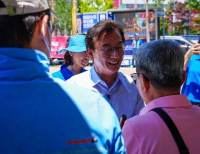 부산, 8년 만에 민주당 시장…전재수 7월 1일 취임
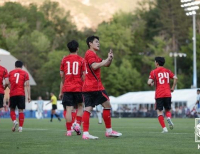 이동경 결승골, 한국 월드컵 전 평가전 2연승
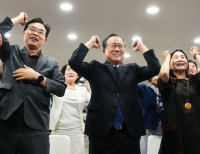 김석준 부산교육감, 전국 첫 4선 성공… AI 미래교육 본격화
 BTS 팬 위한 부산 웰컴센터 개소
 지방공무원 여성 비율 첫 과반 돌파, 휴직도 증가
 롯데백화점 센텀시티, 3일부터 정상 영업
 지방선거 오전 10시 투표율... 부산 11.0%, 전국 11.0%
 부산 롯데백화점 센텀시티점, 천장 붕괴 사고 이틀째 전관 휴점
 부산시, 장마철 침수 방지 물막이판 설치 지원
 서화디자인협회 제15회 회원전 …부산시청서 15일 개막
 여자 U-20 대표팀, 포르투갈 친선대회 참가
 기장 반딧불이 생태체험 학습행사 6월 12~14일 개최
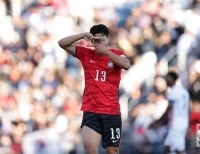 손흥민·조규성 멀티골, 한국 5-0 완승…고지대 적응 박차
 안세영, '천적' 천위페이 잡고 싱가포르 오픈 결승 진출
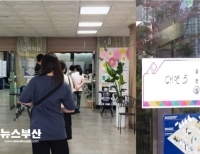 사전투표 최종 투표율 23.48%... 부산은 21.36%
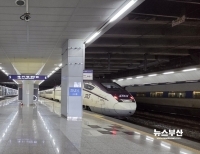 코레일, 5월 31일 첫차부터 전국 열차 정상화
 [문화칼럼] ADFA 시대의 창작과 성찰
 부산시, AI 리사이클 디자인 플랫폼 구축 본격화
 [초대석] Warming-up · 최지원 · Jiwon Choi